

























Advertisement
MA 2 President Simulator
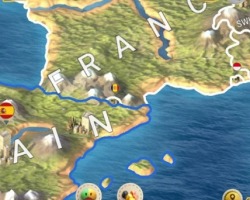
MA 2 President Simulator is a geopolitical strategy game where players assume the role of a national leader responsible for managing a modern state. The simulation framework is built around political, economic, military, and diplomatic systems that operate simultaneously. Players select from a wide range of countries, each with distinct starting conditions, resources, and strategic challenges. The gameplay is structured around decision-making, where policies and actions influence national stability, growth, and international relations.
Political And Legislative Control
A central component of MA 2 President Simulator involves governance through internal policy management. Players introduce laws, regulate taxation, adjust ideological direction, and shape national priorities. Political decisions affect variables such as public approval, economic performance, and institutional efficiency. The simulation encourages players to evaluate trade-offs between reforms, stability, and long-term development. Shifts in ideology or policy may produce measurable changes across multiple systems.
Domestic management extends beyond legislation. Players oversee national sectors including infrastructure, education, healthcare, and other administrative domains. Resource distribution between ministries becomes an important strategic factor. Balanced development influences national resilience and economic productivity.
Core Gameplay Systems
MA 2 President Simulator integrates several mechanics that define progression:
- Economic planning and resource management
- Legislative and ideological adjustments
- Military development and deployment
- Diplomatic relations and treaties
- International trade operations
- Crisis and threat response
These systems interact continuously, shaping national performance.
Military And Security Mechanics
The military system allows players to build and maintain armed forces. Unit categories typically include ground, air, and naval components. Strategic deployment decisions influence conflict outcomes, border security, and geopolitical positioning. Military expansion requires economic investment, creating a connection between defense capability and financial planning. Combat mechanics emphasize scale and resource allocation rather than direct tactical control.
Security management also includes responding to non-state threats. Players address risks such as insurgencies, terrorism, or destabilizing events. Crisis response decisions affect national stability indicators and may require reallocation of resources.
Diplomacy And International Interaction
Diplomatic systems form a key pillar of MA 2 President Simulator. Players establish relations, negotiate agreements, participate in international organizations, and influence global decisions. Trade, alliances, sanctions, and policy coordination become strategic tools. The multiplayer environment introduces real-time interaction with other players, adding variability to diplomatic outcomes.
Advertisement

























































Comments