


























Advertisement
Hearts of Iron 5
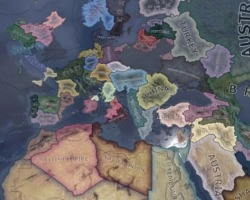
Hearts of Iron 5 is a grand strategy game focused on global warfare, diplomacy, economics, and military management. Players take control of a country and guide it through a period of international conflict. Instead of following a fixed story, the game provides a historical setting where events can develop in different ways depending on player decisions. Each nation has its own strengths, weaknesses, political situation, and strategic goals, creating different experiences across campaigns.
Managing a Nation
The core gameplay revolves around controlling nearly every aspect of a state. Players must develop industry, produce equipment, manage resources, and maintain political stability. Military forces can be expanded through recruitment and production, while diplomatic actions allow alliances, trade agreements, and negotiations with other countries. Success often depends on balancing economic growth with military preparation.
Several important systems shape progression:
- Political management and government policies
- Industrial expansion and resource production
- Research and technological development
- Army, navy, and air force organization
- Diplomacy, alliances, and international relations
Warfare and Strategic Planning
Combat takes place on a large world map divided into regions and front lines. Players move armies, assign commanders, and coordinate attacks across multiple theaters of war. Supply networks play a major role, as troops require equipment, fuel, and transportation to remain effective. Air support and naval operations can influence land battles, making combined military planning an important part of the experience.
Unlike traditional strategy games with separate levels, Hearts of Iron 5 uses campaigns that can last for many in-game years. Players may start as a major power with large armies or choose a smaller nation and attempt to expand its influence. Different scenarios and historical paths provide varied objectives and challenges depending on the selected country.
Alternate History Possibilities
One of the defining features of the game is the ability to change historical outcomes. Political decisions can alter national ideologies, create new alliances, or trigger conflicts that never happened in reality. Because of these systems, every campaign can develop differently. Players are free to follow historical events or create entirely new geopolitical situations through diplomacy, military action, and long-term strategic planning.
Learning how to manage resources, maintain supply lines, and coordinate military operations is the key to success. Careful planning is usually more important than rapid expansion, making strategy and preparation central parts of the gameplay experience.
Advertisement




















































Comments