


























Advertisement
Room Smash
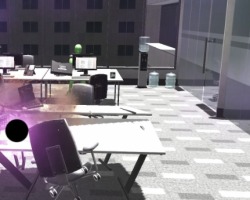
Room Smash is a destruction simulation game where the player can damage rooms using different tools, weapons, and physical effects. The game does not have a story campaign with characters, quests, or dialogue. Its main idea is simple: the player enters a room, chooses a destructive item, and tests how the environment reacts. The focus is on object damage, physics, and free experimentation rather than completing a plot.
Breaking the Room Apart
The gameplay is based on selecting tools and using them on furniture, walls, windows, decorations, and other objects inside the room. The player can smash items directly, trigger explosions, fire projectiles, or use other effects depending on the available version. Some rooms may contain different layouts and materials, so the destruction can look different from one scene to another. The goal is not to win a race or defeat enemies, but to see how much damage can be created.
In the middle of the game, the player can try different tools and compare their effects. Common gameplay elements include:
- destructible rooms and objects;
- furniture, walls, glass, and decorations;
- weapons or tools for causing damage;
- explosions, impacts, and physics effects;
- different room layouts or scenes;
- free play without strict missions;
- simple touch or mouse controls;
- reset options to start destruction again.
Rooms Instead of Story Levels
Room Smash usually does not use traditional levels with a fixed order and increasing story progress. Some versions may include several rooms or environments that work like separate play areas. The player can choose a room, destroy it, reset it, and try another method. Progress may come from unlocking new tools, opening new rooms, or testing stronger effects, but the main structure remains sandbox-based.
How to Play
To play Room Smash, choose a room or scene, select a tool from the menu, and use it on the objects in the environment. On mobile, the player usually taps, swipes, or holds the screen. In browser or PC versions, the player may use the mouse to aim and activate tools. After the room is damaged, the player can continue experimenting or reset the scene to try another approach.
Room Smash is mainly about destruction, physics, and simple interaction. It has no detailed plot, no character progression, and no standard mission path. The player’s experience comes from testing tools, damaging objects, observing reactions, and repeating the process in different rooms or with different effects.
Advertisement





















































Comments